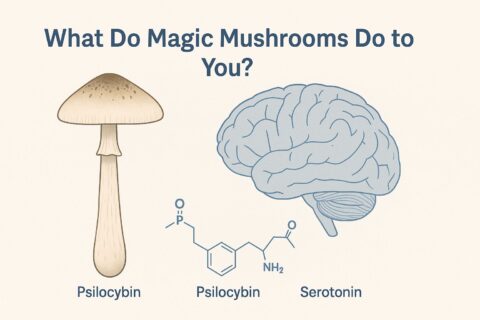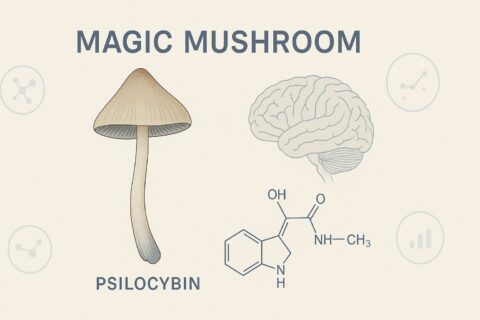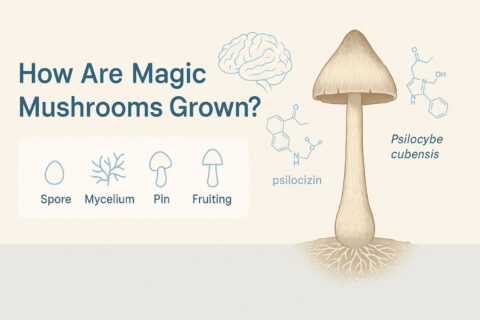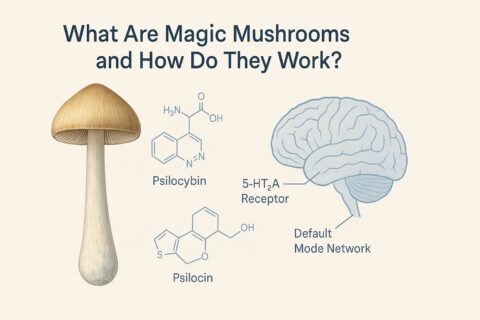
Magic mushrooms, also called “shrooms,” are a type of fungus that contains natural chemicals called psilocybin and psilocin. These chemicals are known as psychedelics. They change how people feel, think, and see the world for a short time. Some people use them in scientific research or spiritual traditions. But others try them out of curiosity, not always knowing what to expect.
So, what really happens to your body and mind when you take magic mushrooms? This guide will help you understand their effects, how they work in the brain, and the risks involved.
When someone eats a magic mushroom, either raw, dried, or as part of a chocolate or gummy, the body turns psilocybin into psilocin. This chemical looks very similar to a brain messenger called serotonin, which affects mood, sleep, and emotions. Psilocin binds to serotonin receptors in the brain and changes how messages are passed around.
One part of the brain that’s especially affected is called the Default Mode Network (DMN). The DMN is responsible for your sense of self, your memories, and the way you reflect on your life. When psilocin interrupts the DMN, the normal flow of thoughts is shaken up. Some scientists believe this is why people often report feeling like they’ve lost their sense of identity, or feel deeply connected to something bigger than themselves.
Another idea researchers are exploring is neuroplasticity, the brain’s ability to form new connections. Some studies show that psilocybin may increase this ability for a short time, which could be helpful in mental health treatment. However, this is still being studied in controlled settings.
A trip is the term used to describe the full experience someone has after taking magic mushrooms. The trip usually begins within 20 to 45 minutes of eating the mushroom and lasts 4 to 6 hours, with the most intense part happening around 2 to 3 hours in.
The effects can vary from person to person and depend on the dose, your mood before the trip, and where you are during the experience. These are called “set” (your mindset) and “setting” (your environment). Some people have positive, creative, or spiritual trips. Others have confusing or upsetting experiences.
These effects are not the same for everyone. Sometimes, people feel unsettled or anxious, especially if they are in an uncomfortable space or already feeling stressed.
A bad trip is when the effects of the mushrooms become scary or upsetting. This can include:
Bad trips are more likely with high doses, stress, or using mushrooms in a chaotic or unsafe place. Mixing mushrooms with alcohol or other drugs can also increase the risk.
While magic mushrooms mostly affect the brain, they can also cause changes in the body. These are usually mild and wear off as the trip ends.
Some physical effects include:
These effects usually aren’t dangerous on their own, but if someone is feeling anxious or scared, physical symptoms can make the experience worse.
Most people do not experience lasting changes after taking magic mushrooms. However, there are some risks, especially with frequent or unsupervised use.
Magic mushrooms affect the brain in powerful ways. They can change how you see the world, how you feel about yourself, and how you think. For some, these effects feel magical or inspiring. For others, they can be confusing or frightening.
The experience depends a lot on your mood, your surroundings, and how much you take. While some scientists are exploring possible medical uses in very controlled situations, there are still real risks, especially with high doses or unsafe environments.
Magic mushrooms are not a toy or a simple solution to mental health problems. If you’re curious about them, the best thing you can do is learn from reliable sources and talk to trusted health professionals. Understanding how they work is the first step in making informed choices, whatever those choices may be.

© 2025 All rights Reserved.
Rocket Mushroom Shop

Are You 18 Or Over?
By clicking 'Continue', you confirm that you are over 18 years old. By using this website, you agree to our terms of service.