Magic mushrooms have been used by people for centuries. Some take them for spiritual reasons, while others use them recreationally. Today, scientists are studying them to see if they might help with mental health problems. But are magic mushrooms bad for you? The answer is not simple. They can be risky, especially when used without care, but they also show promise in medical research.
Let’s take a closer look at what these mushrooms are, how they affect the body and mind, and what science says about their possible benefits.
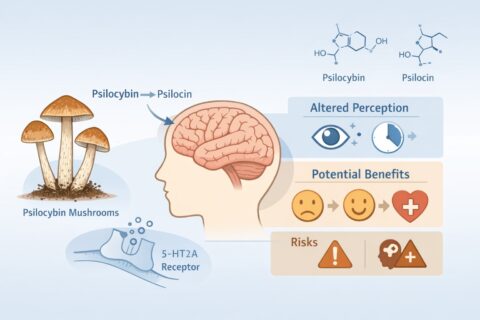
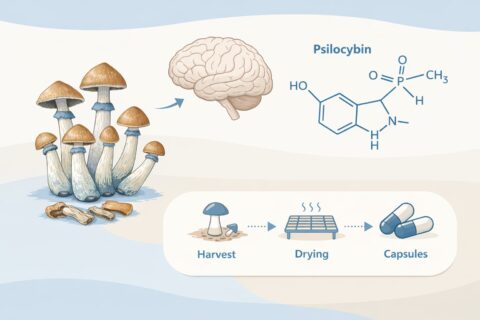
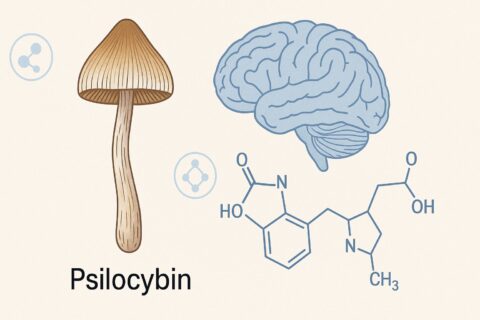
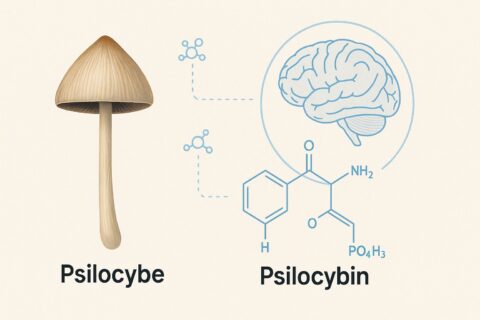
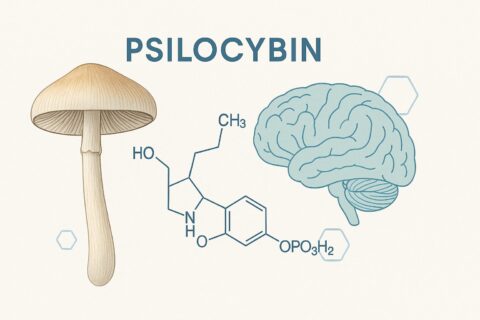
Magic mushrooms are a type of fungi that contain a chemical called psilocybin. When someone eats a magic mushroom, their body turns psilocybin into another substance called psilocin. This is what causes changes in how a person thinks, feels, and sees the world around them.
Psilocybin is part of a group of drugs called psychedelics or hallucinogens. These drugs can cause people to experience things that aren’t really there, like seeing colours more brightly or feeling like time is moving differently. Scientists have learned that psilocybin affects the brain by activating a certain serotonin receptor, called 5-HT2A, which plays a big role in mood and thinking.
Magic mushrooms have been used recreationally, often at parties or in nature. But more recently, they’re also being studied in labs and clinics to see if they can help with mental health conditions like depression and anxiety.
Although magic mushrooms are natural, that doesn’t mean they’re always safe. Like any drug, they can come with risks, especially when taken in the wrong way or by people with certain health conditions.
One of the biggest dangers is having a bad trip. This can happen when someone takes too much, is in a stressful setting, or is already feeling anxious. A bad trip can cause:
For some, these effects last only a few hours. But for others, especially those with mental health issues, psilocybin could lead to more serious problems, like:
There’s also a risk of making poor choices while under the influence. People have gotten hurt by falling, walking into traffic, or taking other risks because their judgement was impaired.
Magic mushrooms can also affect the body. Some common short-term effects include:
For most healthy people, these effects go away after a few hours. But for someone with a heart condition, the strain on the heart could be dangerous.
One of the most serious risks comes from picking the wrong mushroom in the wild. Some deadly mushrooms look very similar to psilocybin mushrooms. Eating the wrong kind could lead to liver or kidney failure and even death.
Unless you are trained in mushroom identification, picking wild mushrooms is extremely dangerous and should be avoided.
On the good side, psilocybin does not seem to cause physical addiction like some other drugs (such as opioids or alcohol). People don’t usually feel a need to keep taking them every day.
However, tolerance builds up quickly. If someone takes magic mushrooms too often, they’ll need more and more to feel the same effect. That can increase the chance of a bad experience or side effects.
While magic mushrooms can be harmful, scientists are also learning that psilocybin might have benefits when used in the right way. It’s being tested in medical studies, always with professional support and strict rules.
Researchers are not giving mushrooms to people to party. Instead, they give a carefully measured dose in a safe room, with trained therapists present to guide the person through the experience.
Here’s where the research is showing the most promise:
Some people with treatment-resistant depression, a kind that doesn’t improve with regular medication, have shown major improvements after just one or two psilocybin sessions.
People facing terminal illness (like cancer) often struggle with fear, sadness, and hopelessness. Psilocybin has helped some patients feel more at peace, less anxious, and more connected to life.
Early studies show that psilocybin, combined with therapy, may help people quit smoking or drinking.
Some small studies suggest that psilocybin might reduce symptoms of OCD, though more research is needed.
Researchers believe psilocybin “resets” parts of the brain stuck in negative thinking loops. It may help the brain become more flexible and open, which is called neuroplasticity. Some people also report having powerful, meaningful experiences during a trip that help them see their problems in a new light.
But again, these results only happen in controlled settings. Taking mushrooms at home, alone or with friends, is not the same and does not offer the same safety or results.
Because psilocybin affects the mind so strongly, where and how it’s taken matters a lot. Researchers talk about the importance of “set and setting.” This means:
Even in research settings, these two things are carefully managed to reduce risk.
Experts warn that certain people should never use psilocybin, even in a research study. This includes people who:
In Canada, psilocybin is illegal unless approved for a clinical trial or special medical exemption. Buying, selling, or possessing it outside of these exceptions is against the law.
In the United States, psilocybin is classified as a Schedule I drug, which means it is considered illegal at the federal level, even though some states like Oregon and Colorado have started pilot programs or allowed limited personal use.
This legal risk is important to keep in mind.
While we do not encourage recreational use, if someone does choose to take magic mushrooms, experts recommend:
Magic mushrooms can be dangerous. They can cause scary mental experiences, physical side effects, and serious harm if the wrong mushroom is eaten. People with certain health conditions face higher risks. Using mushrooms without support or in unsafe settings increases the chance of something going wrong.
But in a medical setting, with trained professionals, exact doses, and careful supervision, psilocybin is showing real promise for helping people with depression, anxiety, addiction, and other mental health struggles.

© 2025 All rights Reserved.
Rocket Mushroom Shop

Are You 18 Or Over?
By clicking 'Continue', you confirm that you are over 18 years old. By using this website, you agree to our terms of service.