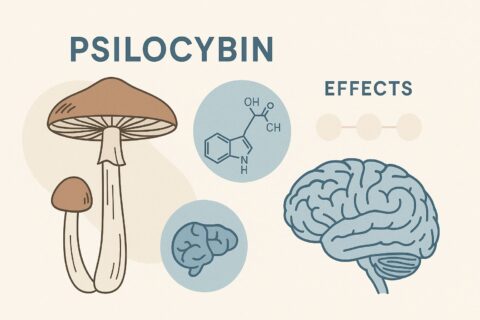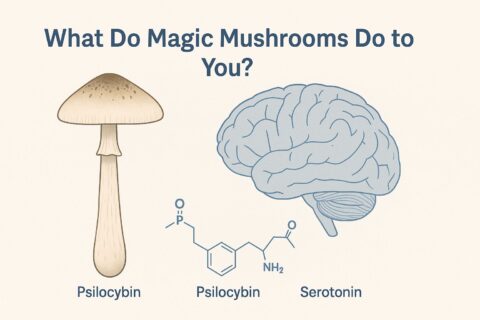
Magic mushrooms, also known as psilocybin mushrooms, are getting more attention lately. Once seen only as illegal drugs, they are now being studied for possible health benefits. Some places are even changing their laws. But buying or using them still comes with serious risks, both legal and health-related. If you’re curious about where people can access them, it’s important to understand the facts first.
This guide explains how laws work in different places, where people are getting mushrooms, and what the risks are. It does not promote the use or sale of mushrooms. It’s just here to help you understand the current situation clearly and safely.
The first and most important thing to know is that psilocybin, the active chemical in magic mushrooms, is illegal in most countries, including Canada and the United States. It is listed as a Schedule I drug, which means it’s seen as having a high risk for abuse and no accepted medical use, at least at the federal level.
That’s changing in some areas. But the rules still depend on where you are and why you want access to it.
In some places, the only legal way to use psilocybin is through a licensed service centre with trained staff. These are not stores where you buy mushrooms to take home. Instead, they are clinics where people take the substance under supervision, usually as part of therapy or medical trials.
Oregon, USA
In 2023, Oregon became the first place in the world to offer legal, supervised psilocybin services. Adults aged 21 and over can book a session at approved centres. They take the mushrooms at the facility with a licensed guide present. Buying mushrooms for personal use at home is still illegal.
Colorado, USA
Colorado also allows supervised use through licensed services. It has also decriminalized the personal possession and sharing of psilocybin for adults. But again, there are no legal stores where you can walk in and buy mushrooms for recreational use.
Some cities have “decriminalized” psilocybin. This means police and courts may no longer treat possession as a serious crime. But it’s still not legal to buy or sell it in these places.
US Cities
Cities like Denver (Colorado), Oakland and Santa Cruz (California), and Ann Arbor (Michigan) have passed laws to reduce or remove penalties for personal use. Still, buying, selling, or growing mushrooms remains illegal under both state and federal law.
Other Countries
A few countries are more relaxed. For example:
Psilocybin mushroom spores are a bit different. Spores do not contain psilocybin and are often sold legally for research or microscopy. However, initiating the cultivation process to produce psilocybin-containing mushrooms is explicitly illegal in nearly all jurisdictions and is considered drug manufacturing, carrying severe penalties.
But here’s the catch: once those spores are used to grow mushrooms, the mushrooms contain psilocybin, and growing them becomes illegal. In most areas, this is treated as a serious offence, often worse than simple possession.
Even though psilocybin is illegal in most places, people still find ways to get it. This is risky and often unsafe.
Some people buy mushrooms from unlicensed dealers or websites. This is the riskiest method. There’s no way to know if what you’re getting is safe, real, or mixed with something harmful.
Products may be:
There are also legal consequences. Buying or selling psilocybin is illegal under federal law in both Canada and the U.S. Penalties can be serious, even if it’s just for personal use.
Unauthorized cultivation kits are sometimes accessible online. It is imperative to know that while the materials may be purchasable, the act of cultivating psilocybin mushrooms is universally treated as a felony or drug manufacturing offense across most countries, including the U.S. and Canada.
This act is considered drug manufacturing, which can carry long prison sentences. Some people don’t realise that growing mushrooms at home, even for personal use, is usually treated much more seriously than possession.
Some people try to find and pick magic mushrooms in forests or fields. This is extremely dangerous.
There are many types of mushrooms that look like magic mushrooms but are actually deadly. One mistake can cause serious organ damage or even death. Some poisonous mushrooms don’t show symptoms right away, making it hard to get treatment in time.
Unless you’re an expert trained in mushroom identification, it is not safe to pick wild mushrooms.
Getting magic mushrooms, no matter how, comes with more than just legal risk. There are real dangers to your body and mind.
Even if you trust your source, psilocybin mushrooms can vary a lot:
Some mushrooms or powders are mixed with other drugs. There are test kits that help check for some substances, but they don’t show the full picture and don’t measure how strong something is.
If someone takes the wrong mushroom or too much of it, it can lead to poisoning. Symptoms may include:
These signs can come on quickly and may require emergency medical care. Even experienced mushroom pickers can make mistakes, especially if they’re in a new area.
Psilocybin affects the brain in strong ways. While some studies show promise in treating certain conditions like depression or PTSD, it’s not safe for everyone.
It can:
A person’s “set and setting”, their mindset and physical environment, play a big role in how they react. Being alone, in an unsafe space, or already feeling anxious can make things go badly, fast.
The legal and safety landscape around psilocybin mushrooms is complicated. In some parts of the world, supervised use is becoming more accepted. But in most places, buying, growing, or using them is still illegal and can lead to serious legal trouble.
If someone is considering psilocybin for health reasons, the only fully legal way is through a licensed service centre in a place like Oregon or Colorado. These programs offer safe, supervised environments.
For those interested in other uses, it’s important to understand that most ways of getting mushrooms today, through dealers, growing kits, or foraging, are illegal and come with real dangers. They can affect your health, your safety, and your future.
Knowing the facts is the first step. And with laws and science changing quickly, staying informed is more important than ever.

© 2025 All rights Reserved.
Rocket Mushroom Shop

Are You 18 Or Over?
By clicking 'Continue', you confirm that you are over 18 years old. By using this website, you agree to our terms of service.