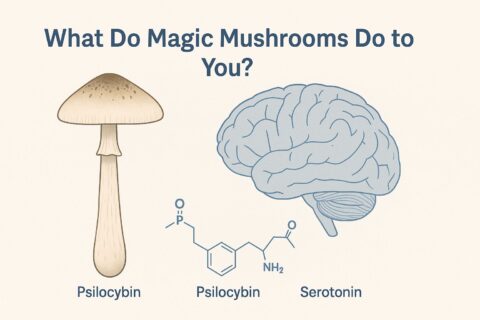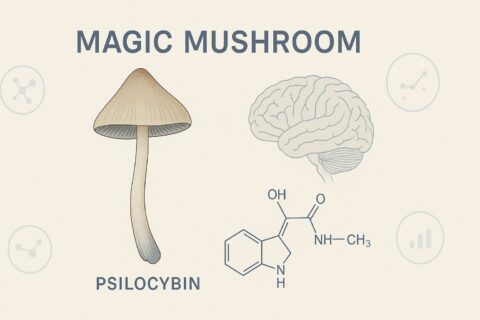
Magic mushrooms have captured curiosity around the world. But what exactly are they, and where do they grow? These mushrooms, which contain natural psychedelic compounds called psilocybin and psilocin, grow in many places, both wild and cultivated. Most belong to the Psilocybe genus, although some are part of others like Panaeolus and Gymnopilus.
They’re known for their effects on the mind, but their natural homes are just as interesting. These fungi grow in forests, fields, mountains, and even city gardens. Let’s explore how and where magic mushrooms grow across the globe.
Magic mushrooms are found on every continent except Antarctica. They prefer certain conditions, but they’re surprisingly widespread. What they really need is the right environment, especially moisture, organic material to feed on, and the right temperature.
Like all fungi, they don’t get energy from sunlight like plants. Instead, they are saprobic, which means they break down dead organic matter. This is why you’ll often find them growing on things like rotting wood, cow dung, or rich forest soil. They also love damp places with steady temperatures.
Let’s break that down a bit more.
Although they can grow in many places, magic mushrooms are more common in some parts of the world. Here are a few of the main hotspots:
Mexico is known as the world centre for psilocybin mushrooms. Over 50 species of Psilocybe have been found here. These mushrooms thrive in cloud forests, humid mountain areas, and tropical meadows.
Some important species include:
These mushrooms have a long cultural history in this region and often grow in high-altitude forests.
The most well-known tropical species is Psilocybe cubensis. It’s often found growing on the dung of cows, buffalo, or horses in warm, grassy fields. This species is coprophilous, meaning it grows on animal manure.
You’ll find P. cubensis in:
Because of cattle farming, this mushroom has spread far from its original home.
In cooler climates like the Pacific Northwest of the US and Canada, and in Western Europe, some species prefer growing on wood debris. These mushrooms love bark mulch and wood chips used in gardens and city landscaping.
Important species include:
Liberty Caps are found across North America, Europe, Asia, and Australasia, making them one of the most widely spread psilocybin mushrooms in the world.
To understand where these mushrooms grow, you have to know what they feed on. Each species prefers different types of substrates:
Grows in open fields, especially in cow pastures.
Grows in wood chip beds, mulch, forest humus, or near rivers.
Often found in grassy or mossy meadows near water.
Grow in cloud forests or cold mountain areas.
While magic mushrooms are often found in the wild, people have also figured out how to grow them indoors. The most common species for this is Psilocybe cubensis, because it adapts well to indoor conditions.
Indoor growing involves:
By mimicking the conditions of a warm field or forest, growers can produce mushrooms in controlled environments.
Human activity has also affected where these mushrooms grow outdoors. Many wood-loving mushrooms, like P. cyanescens, now appear in city landscaping and public gardens. This is because the use of wood chips in garden beds creates the perfect habitat.
Even though these mushrooms grow naturally, it’s important to know the risks involved. First, psilocybin-containing mushrooms are illegal in most countries, including Canada, where they are a controlled substance. Laws may vary by region, but in general, growing, selling, or possessing them is not allowed without special medical or research approval.
Also, wild mushroom hunting can be extremely dangerous. Many magic mushroom species look similar to deadly poisonous mushrooms. For example, some toxic species in the Galerina genus look almost identical to psilocybin mushrooms. Eating the wrong mushroom can lead to serious illness or death.
For these reasons, foraging should only be done by expert mycologists, people trained to identify fungi correctly.
© 2025 All rights Reserved.
Rocket Mushroom Shop

Are You 18 Or Over?
By clicking 'Continue', you confirm that you are over 18 years old. By using this website, you agree to our terms of service.