Magic mushrooms have been around for thousands of years. Some people use them in spiritual or healing ceremonies, while others have turned to them for wellness or mental health support. But there’s a lot of confusion and curiosity around one big question: Can you eat magic mushrooms? The answer depends on what you really mean, and what you’re really asking.
Let’s break it down.
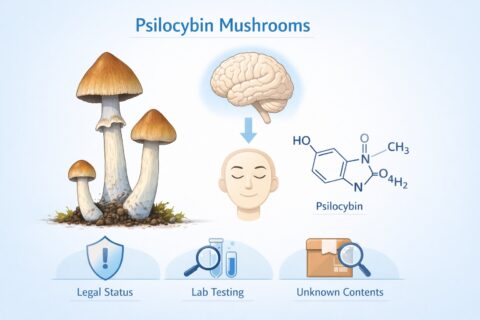
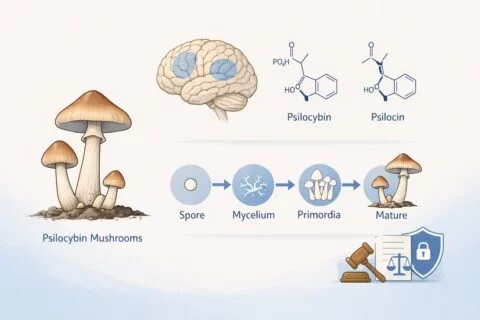
Magic mushrooms are a group of fungi that contain a natural compound called psilocybin. Once inside the body, psilocybin turns into psilocin, which affects your brain, especially the parts that deal with mood, thoughts, and how you see the world.
There are many kinds of magic mushrooms, but the most common species include:
These mushrooms aren’t like the ones you put on pizza. They’re psychoactive, meaning they can change how you think, feel, and experience things.
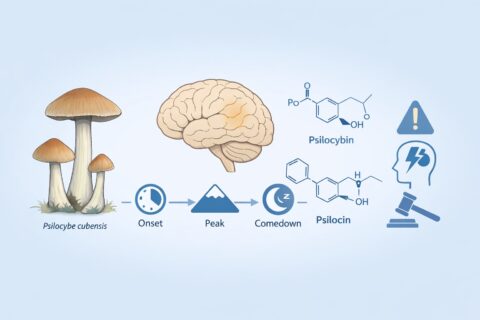
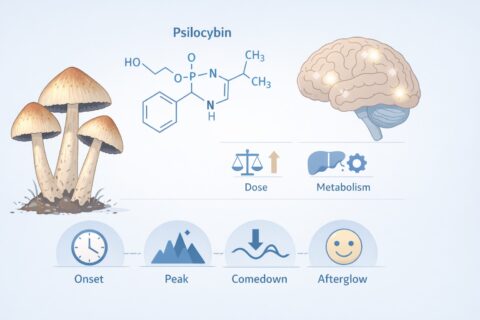
The effects of magic mushrooms are often called a “trip”. The type of trip can be different for every person and depends on how much you take, your mood, and where you are. Here’s a rough timeline of what happens:
Onset (20–60 minutes):
You might feel a bit weird in your stomach, start laughing for no reason, or notice colours and shapes looking different.
Peak (2–4 hours):
This is the strongest part. You may see vivid visuals, feel like time is moving slowly, or even lose your sense of self. Some people have deep thoughts or emotional breakthroughs.
Comedown (2–3 hours):
The strong effects wear off, but you might still feel thoughtful, tired, or peaceful.
This question isn’t simple. There are three parts to think about: physical safety, mental safety, and legal safety.
Psilocybin itself is not considered toxic. It won’t poison your body the way a deadly mushroom might. But that’s the key, only certain mushrooms are safe. Many wild mushrooms look alike. If someone picks the wrong kind, they could get very sick or even die. That’s why misidentification is the biggest physical danger.
For some, the experience is beautiful or meaningful. For others, it can be upsetting. There’s a risk of having a “bad trip,” which can include panic, confusion, or scary thoughts. Also, if someone has certain mental health conditions (like schizophrenia or bipolar disorder), taking magic mushrooms might make their symptoms worse.
In Canada, psilocybin is a controlled substance. That means it’s illegal to make, sell, or have magic mushrooms unless Health Canada gives special permission. Some people may be allowed to use them for medical reasons, but this is rare and closely controlled. Even though there are stores online or in cities offering mushrooms, these are often operating in a legal grey zone. In short, just because something is available doesn’t mean it’s legal.
There are a few different ways that people prepare and consume magic mushrooms, depending on personal preference and how they want to feel. These include:
Important note: There is no single “safe dose” that works for everyone. Body weight, mental health, and environment all matter.
Researchers are now studying magic mushrooms more seriously than ever before. At top institutions like Johns Hopkins University, scientists are looking into how psilocybin may help with:
These studies are still ongoing, and psilocybin has not yet been approved as a standard medical treatment. But early results are promising. Most of this research takes place in very controlled settings, with trained therapists and medical supervision.
Another important part of the science is what’s called “Set and Setting.”
Together, these make a huge difference in how someone experiences a trip.
There are lots of rumours and false facts about magic mushrooms. Let’s set the record straight:
Technically, yes, people can eat magic mushrooms. But that doesn’t mean it’s safe, smart, or legal in all situations. The biggest risks come from taking the wrong kind, having a bad mental reaction, or getting into legal trouble.
If you’re curious about magic mushrooms, it’s important to learn from trusted sources and understand all the risks and responsibilities involved. Whether you’re thinking about their potential in mental health or just want to understand the topic better, asking the right questions is always a good first step.

© 2025 All rights Reserved.
Rocket Mushroom Shop

Are You 18 Or Over?
By clicking 'Continue', you confirm that you are over 18 years old. By using this website, you agree to our terms of service.