canada flag

How to Take Magic Mushrooms

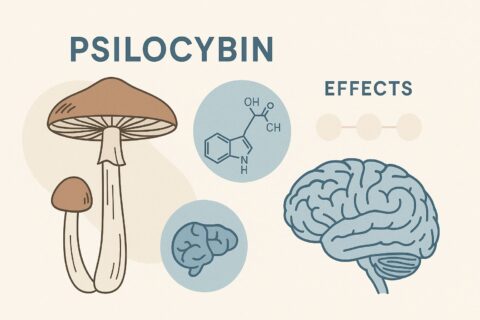
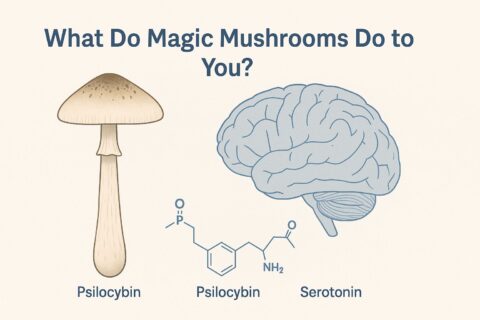
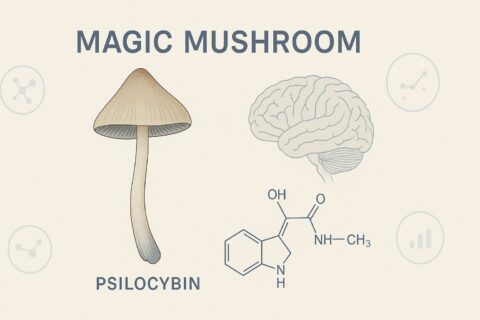
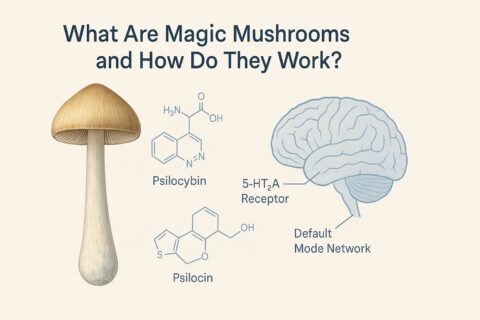
Magic mushrooms, also called psilocybin mushrooms, are a natural type of fungi that contain a chemical compound known as psilocybin. When a person consumes these mushrooms, psilocybin is converted by the body into another compound called psilocin. Psilocin is what creates changes in how people feel, think, or see the world around them.

In recent years, researchers in Canada and around the world have been studying psilocybin to learn if it could help treat mental health issues like depression, anxiety, or PTSD. These studies are done under strict medical supervision, usually as part of a clinical trial or a special access program. In Canada, psilocybin is still illegal for general use and can only be used legally in certain approved medical or research settings.

How Psilocybin Affects the Brain

Psilocin works by affecting the brain’s serotonin system. Serotonin is a chemical that helps regulate mood, thinking, and emotions. That’s why people who take psilocybin often describe feeling more connected, thoughtful, or emotionally sensitive during the experience. 

Some report feeling calm or inspired, while others might feel nervous, confused, or overwhelmed. The effects can vary widely from person to person, depending on their mindset and environment.

Different Forms of Magic Mushrooms

Although not legally available for recreational use in Canada, psilocybin mushrooms are sometimes consumed in different forms during research or clinical trials. These include:

  • Dried Mushrooms: Eaten whole. They have a bitter, earthy taste.
  • Tea: Mushrooms are ground and steeped in hot water (not boiling) to make tea, which may cause fewer digestive issues and result in faster onset of effects.
  • Capsules: Powdered mushrooms placed into gel capsules for easier swallowing. This is commonly used in microdosing research.
  • Edibles: Sometimes mushrooms are mixed into chocolate or other foods to mask the taste, but again, this is only done in controlled or approved situations.

It’s important to note that none of these forms are approved for general consumption or sale in Canada outside of authorized channels.

Dosage and Potential Effects

The strength of psilocybin mushrooms can vary significantly, even within the same batch. This makes it difficult to predict how strong the effects will be. Below are general descriptions of how different amounts may affect people, based on information from clinical research:

  • Microdose (0.1 g to 0.25 g): Too small to cause hallucinations. May help with focus or mood, according to some reports.
  • Low Dose (0.5 g to 1 g): Mild changes in mood or thought. Colours may appear brighter. The experience is usually manageable.
  • Moderate Dose (2 g to 3.5 g): Deeper mental effects. People may see visual patterns, have strong emotions, or think differently.
  • High Dose (5 g or more): Intense and often overwhelming. People may lose their sense of time or self. These doses are usually only used in supervised research settings.

Because psilocybin affects brain chemistry, the experience can be very different for each person, even at the same dose.

The Importance of Mindset and Environment

Two of the most important factors in a psilocybin experience are known as “set” and “setting.”

  • Set (Mindset): This refers to a person’s mental and emotional state before the experience. Being stressed, anxious, or upset can lead to a difficult time. A calm, positive mindset is considered safer and more productive.
  • Setting (Environment): This means the physical space and people around you. A quiet, familiar place with people you trust can help reduce stress and make the experience feel safer.

Many clinical studies involve the presence of a sober support person, often called a “trip sitter“. This is someone who stays with the participant, offering comfort and ensuring their safety, especially if the experience becomes emotionally intense.

What the Experience Might Look Like: Timeline

If psilocybin is taken by mouth, the typical timeline includes the following stages:

  • Onset (15 to 60 minutes): Initial feelings begin. These may include a change in mood, increased awareness of sounds or colours, and mild stomach discomfort.
  • Peak (1 to 3 hours): This is the most intense phase. People may experience strong visuals, changes in how they think, deep emotions, or a sense of “ego loss.”
  • Plateau (3 to 6 hours): The intensity lessens. Thoughts may be more reflective or calm.
  • After-Effects (6 to 24 hours): Most effects have worn off, but a person may feel tired, mentally drained, or thoughtful. Some report feeling more connected or at peace.

Possible Risks to Be Aware Of

While psilocybin is not known to be physically addictive, there are mental and emotional risks, especially when used in unsafe settings. Here are some key points:

  • Bad Trips: Sometimes people experience fear, anxiety, or confusion during a psilocybin experience. This can feel overwhelming and may be difficult to manage without help.
  • Mental Health Concerns: Individuals with a personal or family history of schizophrenia, bipolar disorder, or psychosis may be at greater risk. Psilocybin is not considered safe for them.
  • Nausea and Vomiting: This is a common side effect, especially when raw mushrooms are consumed.
  • Heart Rate and Blood Pressure: Psilocybin may temporarily increase these, which could be risky for individuals with heart conditions.
  • Mushroom Misidentification: One of the biggest dangers is confusing psilocybin mushrooms with toxic varieties. Some poisonous mushrooms look very similar and can be deadly if consumed.
  • Drug Interactions: Psilocybin should never be mixed with other substances, including alcohol, cannabis, or prescription drugs (especially those affecting serotonin, like SSRIs), due to the risk of harmful interactions.

Staying Informed

As interest in psilocybin grows, so does the importance of having clear, accurate, and responsible information. Understanding how psilocybin works in the brain, what the experience may feel like, and how to reduce risks is useful for anyone curious about this topic.

While curiosity is natural, the best approach is to learn from reliable sources, follow the law, and avoid unsafe or illegal use. If psilocybin does become a recognized treatment option in Canada, it will likely be through medical channels guided by healthcare professionals.

Leave a Reply

Your email address will not be published. Required fields are marked *

Latest Blogs