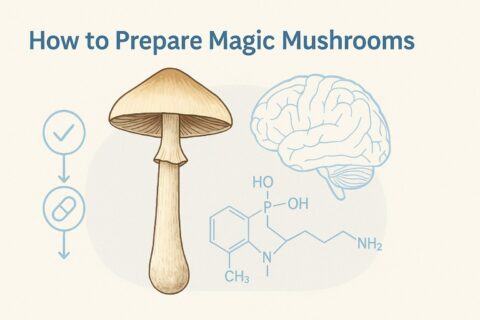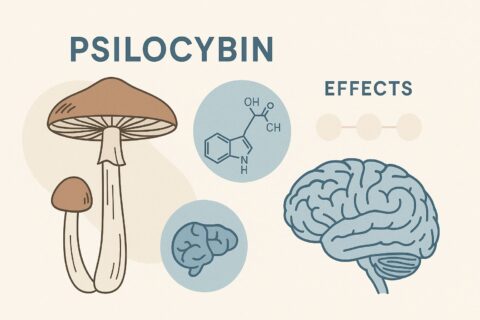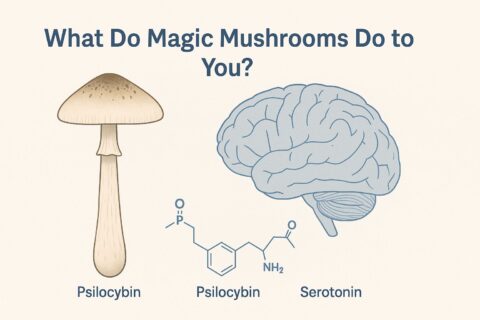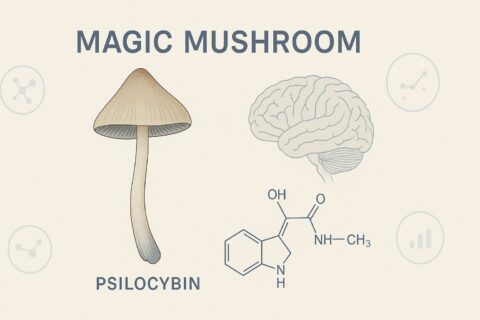
Psilocybin mushrooms, often called magic mushrooms, contain naturally occurring psychedelic compounds that have been part of spiritual, cultural, and ceremonial traditions for centuries. In recent years, scientific interest has grown as researchers study how psilocybin may support mental-health treatments, particularly for depression, anxiety, and end-of-life care.
Even with these developments, psilocybin remains a Schedule III controlled substance in Canada, meaning it is illegal to grow, possess, or use outside of approved medical or research programs. Because of this, any discussion of preparation must be understood in a strictly informational, academic, and non-promotional context.
This article provides an overview of preparation methods referenced in historical, clinical, and educational settings. It does not encourage or support personal use. Instead, it helps readers understand why preparation matters in scientific research, how methods can influence study outcomes, and how safety concerns shape these approaches.
One of the simplest and most historically referenced approaches involves using mushrooms in their natural state, either fresh or dried. In academic and anthropological records, dried material is often preferred because it stores well and becomes “cracker-dry,” a condition that helps preserve the structure and potency of the fungi.
Common observations in research contexts include:
Advantages noted in historical or clinical discussions:
Challenges often cited:
Mushroom tea is one of the most frequently documented preparation methods in both ceremonial traditions and clinical studies. Instead of consuming the material directly, it is placed in hot water and steeped like an herbal infusion.
In academic descriptions, this approach typically involves:
Many cultural accounts mention adding ingredients like ginger, honey, mint, or citrus. In modern discussions, adding lemon is sometimes called the “lemon tek” approach, based on the idea that acidic environments may help convert psilocybin into psilocin, which is the compound the body uses.
Potential research-related benefits:
Potential drawbacks:
Capsules appear frequently in microdosing studies and clinical trials, where precision and consistency are essential. Instead of using whole mushrooms, the dried material is ground into a fine powder and packed into small gelatin or plant-based capsules.
Typical academic descriptions mention:
This method removes flavour barriers entirely and is useful in research when exact measurements are required. Capsules are often stored in dark, airtight containers to preserve consistency for study participants.
Strengths of this method:
Limitations:
Another method seen in traditional and modern contexts involves blending mushroom powder with food to mask the strong taste. Edible forms such as chocolates, honey mixes, or nut-butter blends are often discussed in harm-reduction communities and research-adjacent literature.
Common observations include:
Potential benefits:
Potential risks or challenges:
Psilocybin potency varies widely between species, batches, growing conditions, and storage methods. Because of this, clinical and academic discussions often reference approximate ranges, especially for Psilocybe cubensis, one of the most commonly studied species.
Below is a general overview frequently cited in educational materials. These values are not dosing recommendations:
| Dose Type | Approx. Amount (Dried Mushrooms) | Reported Effects (Research Descriptions) |
| Microdose | 0.1g – 0.3g | Subtle physiological changes; no psychedelic effects |
| Low | 0.5g – 1.0g | Mild sensory shifts, light relaxation |
| Moderate | 1.5g – 3.0g | Stronger changes in perception |
| High | 3.5g – 5.0g+ | Intense psychedelic effects |
Note: These ranges are derived from anecdotal reports and past research contexts. They must not be used for self-dosing, which remains illegal and unsafe.
Most clinical trials rely on precisely measured, lab-prepared psilocybin, not whole mushrooms, which helps eliminate variability and ensures participant safety.
While this article does not promote the use of psilocybin, harm reduction appears frequently in public-health guidelines and academic discussions. These principles aim to reduce risk when people encounter substances in any context.
Common themes include:
These points help highlight why clinical studies follow strict protocols, trained supervision, and professional screening processes.
Psilocybin is listed as a Schedule III substance under Canada’s Controlled Drugs and Substances Act (CDSA). This means:
It is critical to understand that outside of approved medical or research environments, handling psilocybin in any form is a criminal offense.
Preparation methods for psilocybin mushrooms, whether in historical, clinical, or educational contexts, help researchers understand how different forms influence absorption, timing, and participant comfort. Each method comes with its own considerations, ranging from digestion and taste to consistency and legal restrictions.
As public discussion and scientific interest continue to grow, learning about these methods in a factual and responsible way supports better understanding of safety, legality, and the complexities of psychedelic research.
However, psilocybin remains illegal for personal use in Canada. Outside of medically supervised or legally authorized programs, any form of possession, preparation, or consumption is prohibited.

© 2025 All rights Reserved.
Rocket Mushroom Shop

Are You 18 Or Over?
By clicking 'Continue', you confirm that you are over 18 years old. By using this website, you agree to our terms of service.