Yes, magic mushrooms do grow in the wild. These mushrooms contain a natural chemical called psilocybin, which can change how a person sees, feels, or thinks. While they might seem like something you’d only find in a science lab, many types of magic mushrooms grow naturally in forests, fields, and even city gardens.
But just because they grow wild doesn’t mean they’re safe, or legal, to pick or use. Here’s a simple guide to understanding where these mushrooms grow, how they’re identified, and what risks are involved.
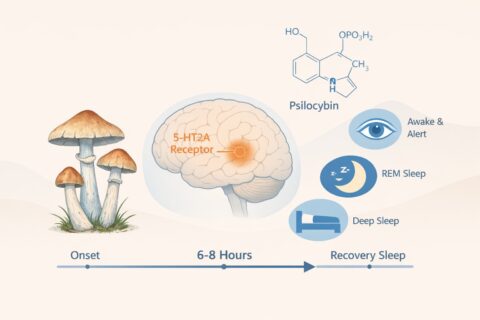
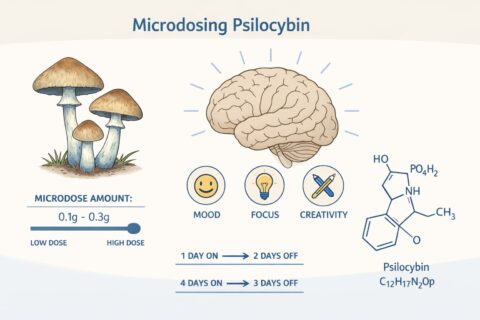
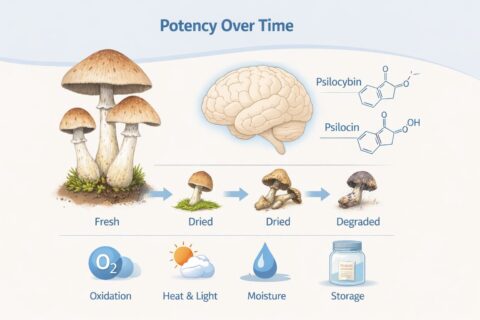
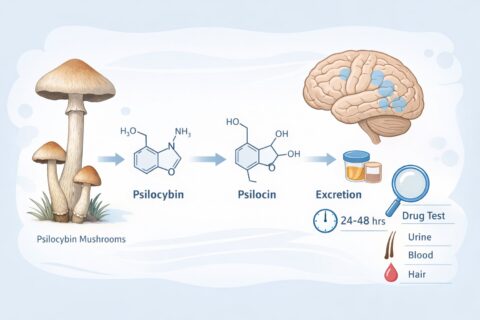
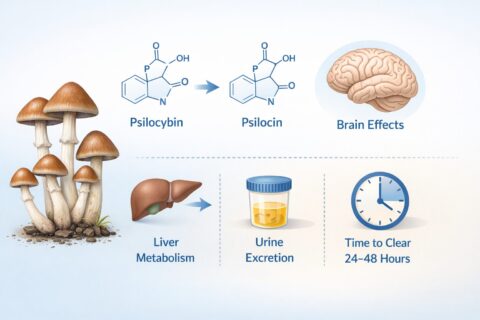
Magic mushrooms are a group of fungi that contain psilocybin and psilocin. These are chemical compounds that affect the brain. When people eat mushrooms with these compounds, they may experience changes in mood, vision, or thinking.
There are over 180 known species of psilocybin mushrooms around the world. Some grow in warm, tropical areas. Others like cooler climates, such as parts of Canada or northern Europe. They’ve been used for thousands of years in traditional ceremonies and, more recently, have become part of modern conversations about mental health and therapy, especially in research settings.
Magic mushrooms are found in many places across the globe. Different types like different environments. Here are some common species and where they’re often found:
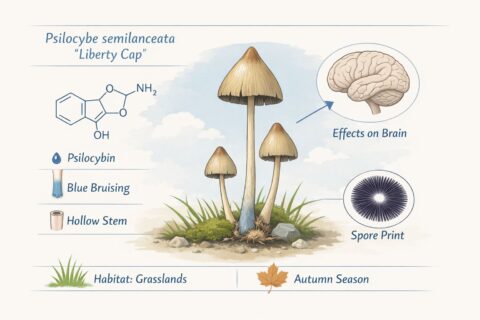
In Canada, Liberty Caps are one of the most commonly found species. They often grow in the fall, after heavy rain, especially in British Columbia, Ontario, and Quebec.
Scientists and experienced mushroom foragers use special features to help identify magic mushrooms in nature. Some of these include:
But even with these signs, it’s very easy to make a mistake. Many mushrooms look almost exactly the same, and some are very dangerous or deadly.
One of the biggest risks of finding wild mushrooms is getting the wrong kind. Some poisonous mushrooms look just like magic mushrooms.
For example:
This is why experts strongly advise not picking mushrooms unless you’re trained in mushroom identification. Eating the wrong mushroom could be life-threatening.
Magic mushrooms have been found in nearly every part of the world:
They tend to appear in the autumn, when temperatures drop and moisture is high. Some grow in meadows, others in forest floors or city parks.
In Canada, magic mushrooms are illegal to possess, sell, or grow. Psilocybin and psilocin are controlled substances under Canadian law. This means:
In some countries or cities, such as Portugal, Denver, or Oregon, personal use may be decriminalized, meaning police don’t make it a high priority. But this does not mean it’s legal. In most places around the world, including Canada, magic mushrooms remain restricted.
There’s growing interest in psilocybin mushrooms because researchers are studying how they might help treat mental health conditions like depression, PTSD, and anxiety. Clinical trials in both Canada and the U.S. are exploring this in safe, controlled environments.
Some people are also interested in the natural side of mushrooms and enjoy learning about how fungi grow and survive. Mushrooms are fascinating organisms, and some species have played important roles in medicine, food, and culture.
But it’s important to understand that wild psilocybin mushrooms are not the same as regulated medical treatments. They vary a lot in strength, and picking them carries both legal and health risks.
Magic mushrooms do grow in the wild, including in Canada, but that doesn’t mean it’s safe or legal to pick or use them. They can be hard to tell apart from dangerous mushrooms, and many of them are banned by law.
If you’re curious about mushrooms, the safest way to learn more is by reading, taking a fungi class, or joining a local mushroom club. These groups often focus on non-psychoactive mushrooms and teach about safe foraging and conservation.
Wild magic mushrooms are part of nature’s complex and mysterious world. Understanding them and respecting the risks is important for anyone exploring the forests and fields where they grow.

© 2025 All rights Reserved.
Rocket Mushroom Shop

Are You 18 Or Over?
By clicking 'Continue', you confirm that you are over 18 years old. By using this website, you agree to our terms of service.