When people hear about psilocybin therapy, also called magic mushroom therapy, they often think about the effects or the science behind it. But one thing many don’t talk about right away is the taste. For many patients taking part in clinical or therapeutic settings, the bitter, earthy flavour of magic mushrooms is one of the hardest parts to deal with. And for therapy to be as safe and smooth as possible, clinics have found clever ways to manage this challenge.
Let’s explore why the taste is so unpleasant, and what clinics are doing to make the experience easier to handle.
Magic mushrooms don’t taste like the mushrooms you put on pizza. In fact, many people describe them as tasting like bitter dirt, old wood, or something sour and musty. There are a few reasons for this.
The natural flavour of psilocybin mushrooms is often described as “acrid” or extremely earthy. It’s a sharp, dry bitterness that’s hard to ignore. Some compare it to chewing on dry roots or paper.
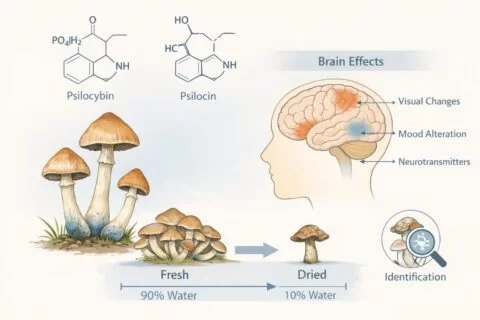
Magic mushrooms have tough cell walls made from something called chitin. It’s the same stuff that makes up insect shells. Humans can’t digest it very well, which often causes nausea or an upset stomach, especially in the first 30 to 60 minutes after taking psilocybin. This adds to the unpleasant taste, as the body reacts to what it sees as something “off.”
Many people feel nervous before a therapy session. When that nervousness is combined with an unpleasant flavour, it can set a negative tone. In psilocybin therapy, where “mindset and setting” are very important, starting off with a gag-worthy taste can affect how someone feels going into their session.
Because of all this, clinics have worked hard to find ways to make psilocybin easier to take and easier on the stomach.
Clinics and research centres have developed a few key methods to manage the taste of psilocybin. Here are the most common strategies.
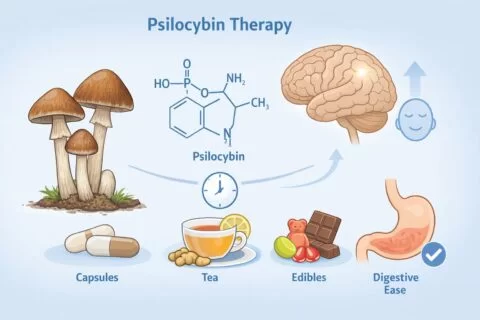
Most formal research trials, such as those at Johns Hopkins or COMPASS Pathways, use psilocybin in capsule form. This method involves grinding dried mushrooms into a fine powder and packing it into small vegan or gelatin capsules.
Why it works:
Capsules are tasteless. They’re easy to swallow and allow for precise dosing. Since the mushroom powder is hidden, the patient never has to taste it.
What to keep in mind:
Capsules take longer to kick in. The body has to break down both the capsule and the chitin inside. For some people, this slow start can mean more stomach discomfort during the early part of the session.
Another popular approach is making a psilocybin tea. This is common in clinics that aim to provide a calm, ceremonial environment.
How it’s made:
The mushrooms are steeped in hot (not boiling) water to avoid damaging the psilocybin. Clinics often strain out the mushroom bits so patients aren’t drinking the hard-to-digest chitin.
Added ingredients:
To make the tea taste better and to soothe the stomach, clinics often add ginger, honey, lemon, or peppermint. The result is a mild, comforting drink that works faster than capsules.
Why people like it:
The liquid form means quicker onset. And by removing the solids, patients are less likely to feel nauseated.
In some legal service centres, psilocybin is provided in edible form, just like other health-focused supplements.
Chocolates:
Dark chocolate is a top choice because its strong flavour hides bitterness very well. The fats in chocolate also help the body absorb psilocybin.
Gummies:
Fruity gummies with citric acid and bold flavours (like cherry or citrus) are another option. These strong flavours can overpower the mushroom taste and make the experience easier to tolerate.
These are usually made in licensed kitchens with controlled dosing, making them both predictable and palatable.
Some clinics take things a step further. They bring in culinary experts, sometimes called psychedelic chefs, who create small snacks that mix psilocybin with everyday ingredients.
Smoothies made with tart berries and spicy ginger help mask the taste while being gentle on the stomach. The acidity of the fruit also helps start digestion faster.
Peanut butter or almond butter is another trick. The fat in the nut butter sticks to the bitter compounds and coats the mouth, keeping the taste from fully registering on the tongue.
Some mushrooms are soaked in honey and stored for weeks. The honey absorbs the psilocybin while giving it a sweet flavour that’s much easier to take.
Sometimes, a clinic may ask a patient to chew the mushrooms directly, especially if they want faster absorption through the tissues in the mouth. In these cases, the taste can’t be hidden, but it can be chased away.
Common “chasers” include:
These small extras can make a big difference in how a person feels during the first part of the session.
Some clinics don’t use mushrooms at all. Instead, they use synthetic psilocybin, made in a lab to be chemically identical to the natural kind.
How it’s taken:
Patients receive a small, white pill. Since it’s just the pure compound and not the mushroom itself, there’s no earthy taste and no chitin to cause stomach issues.
Other options:
A few clinics use liquid extracts, psilocybin pulled out of the mushrooms using alcohol or glycerin. These drops are often added to juice to help hide their strong, bitter flavour. While still quite intense, they are easier to measure and work quickly.
While the taste of magic mushrooms might seem like a small detail, it’s actually an important part of the therapeutic experience. A bad taste can trigger nausea, worry, or a poor first impression, which can impact the entire session. That’s why clinics, chefs, and researchers have worked so hard to find ways to make the medicine easier to take.
From capsules and teas to gourmet snacks and palate cleansers, psilocybin therapy clinics are focused not just on what the medicine does, but on how it’s delivered. Making the experience smoother and more comfortable helps patients feel safer and more at ease during a very personal journey.

© 2025 All rights Reserved.
Rocket Mushroom Shop

Are You 18 Or Over?
By clicking 'Continue', you confirm that you are over 18 years old. By using this website, you agree to our terms of service.